
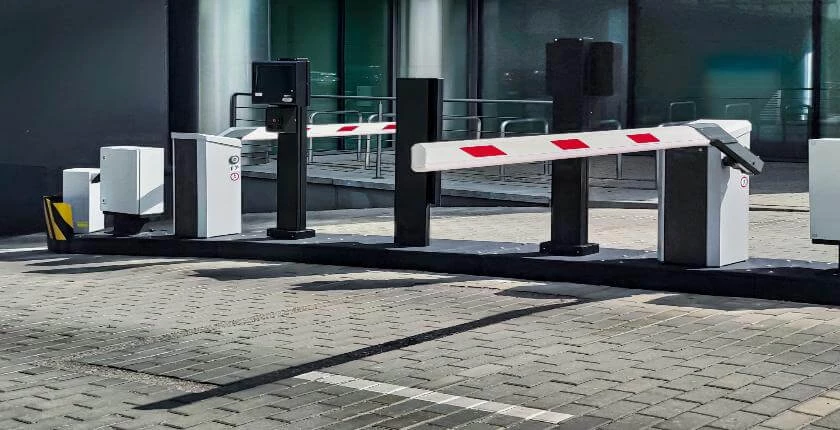
Automatic Barriers
Get in TouchAt Electric Gates Wakefield, we specialise in providing high-quality automatic barriers, offering enhanced security and efficient access control for various sites. Our solutions cater to a range of property types and requirements, ensuring controlled access and improved safety around the area.
Whether you need barriers for a commercial premises, a parking facility, or an industrial site, we have the expertise to supply and install the right system for your needs. Contact us today to explore our options and enhance your property's security.
What Are Automatic Barriers?
Automatic barriers are access control systems designed to manage vehicle entry and exit points efficiently. At Electric Gates Wakefield, we install these systems to ensure smooth traffic flow and secure premises.
Our barriers can be customised to fit various entrance widths and are equipped with advanced technology for reliable operation.
We offer a variety of barrier models, including rising arm barriers and sliding gates, which can handle varying levels of traffic. Our systems feature integration capabilities with RFID readers and ANPR cameras, allowing for added security and streamlined operation.
They are constructed from durable materials such as galvanised steel and aluminium, providing longevity and resistance to harsh weather conditions. Installation typically takes two to three days, depending on site-specific requirements, and our systems conform to safety standards like BS EN 12453.
Suitable for commercial and industrial properties, our automatic barriers can integrate with existing security systems. Automatic barriers are vital for maintaining security and regulating access to your site.
Contact us to discuss the ideal solution for your needs.
What Types of Automatic Barriers Are Available?
We offer a range of automatic barriers to suit different needs. Each type of barrier serves a specific purpose and is designed with distinct characteristics:
Rising Arm Barriers: Ideal for controlling traffic in parking lots and entrance gates, these barriers feature aluminium arms with safety photocells and are often integrated with access control systems like RFID or keypad entry.
Swing Arm Barriers: Designed for environments requiring low to moderate security, they are used in residential areas and business parking facilities. These barriers can be fitted with LED lights for enhanced visibility at night.
Toll Barriers: Suitable for toll booths and any area needing rapid access control. They usually include features like loop detectors and integration with electronic toll collection systems for efficiency.
Automatic Bollards: Perfect for pedestrian areas or demarcating vehicle zones, these are constructed from stainless steel and can be hydraulic or pneumatically operated, offering both security and aesthetic appeal.
Choose the right type based on your property's specific security requirements and operational demands. Get in touch to discuss which barrier best suits your site.
What Properties Do Automatic Barriers Work On?
Automatic barriers are versatile and can be installed in various property types, such as commercial complexes, car parks, industrial sites, and residential estates. In commercial complexes, they regulate vehicle flow and enhance security, often integrating with existing access control systems like keypad entry or RFID readers.
Car parks benefit from the barriers' capability to manage traffic and maintain optimal capacity utilisation, sometimes with features such as ticket dispensers or ANPR cameras for seamless entry and exit.
In industrial sites, they help control access for delivery vehicles, ensuring safe and secure operations while meeting health and safety standards. Residential estates use these barriers to protect homeowner privacy and reduce unwarranted access.
It's worth noting that automatic barriers are not typically used on pedestrian pathways unless designed as retractable bollards or similar systems that retract into the ground when not in use.
Contact us today to discuss how automatic barriers can benefit your property.
When Are Automatic Barriers Needed?
Automatic barriers are necessary for several situations, including controlling access to car parks, managing traffic flow at busy entry and exit points, and providing security for commercial or industrial premises. They are commonly installed in locations such as business parks and residential complexes, where managing vehicle access is crucial.
In commercial settings, automatic barriers often comply with British Standard BS EN 12453 to ensure safety during operation. They are typically equipped with features like remote control operation and automatic number plate recognition (ANPR) systems to enhance convenience and security.
Furthermore, automatic barriers can be programmed to control access according to set schedules, such as during business hours or only for authorised vehicles, making them suitable for retail centres that require temporary access restrictions. Their quick operation and durability, using materials like galvanised steel, provide a reliable solution to traffic management and premises security.
How Do Automatic Barriers Work?
The operation of automatic barriers generally follows these steps, providing a streamlined process for vehicle access control at various sites:
Vehicle Detection: Sensors, such as inductive loops or infrared detectors, identify an approaching vehicle, triggering the access control system. These sensors are essential for initiating the process without manual intervention.
Credential Verification: Access is granted through methods like radio-frequency identification (RFID) keycards, proximity fobs, or license plate recognition systems, which use Optical Character Recognition (OCR) technology. This step ensures that only authorised vehicles proceed.
Barrier Activation: Once credentials are verified, the barrier automatically lifts or swings open via hydraulic or electromechanical systems. This action is typically guided by programmable logic controllers (PLCs) for precise operation.
Secure Closure: After the vehicle passes, the barrier returns to its closed position, aided by heavy-duty gears or precision-timed motors, preventing unauthorised entry.
These steps ensure a secure and efficient mechanism for controlling vehicle access at car parks, gated communities, and industrial facilities. For more information, contact our team.
How Long Do Automatic Barriers Take to Install?
Installing automatic barriers typically takes one to two days, depending on site conditions and specific requirements. We start with an initial site assessment where we evaluate factors such as ground stability and wiring requirements.
This phase helps us determine the best types of barriers, including swing, sliding, or rising arm options. Including preparatory work and configuration, the entire process can span three to five days.
We ensure the correct wiring is in place and integrate control systems like RFID readers or keypad entry as per client needs. Safety compliance checks are conducted to adhere to British Standards.
Our installations are suitable for a range of properties, from commercial premises to residential complexes, adapting to varied access control needs. Our team aims to minimise disruption and complete installations promptly.
Contact us to discuss your project timeline today.
Who Needs Automatic Barriers?
Businesses, industrial sites, commercial properties, and residential estates benefit from the installation of automatic barriers. These systems are particularly useful for retail car parks, logistics centres, and gated communities, enabling efficient traffic management and preventing unauthorised access.
For industrial sites, automatic barriers compliant with the BS EN 13241-1 standard ensure the integration of safety and accessibility. Equipped with sensors and remote controls, they cater to varying levels of security requirements.
We employ durable materials like galvanised steel or aluminium for weather resistance and longevity, while integrating features such as loop detectors and RFID technology for seamless operation. Installing automatic barriers can reduce security staff reliance and enhance perimeter safeguarding.
Consider automatic barriers as a practical solution for properties that need regulated entry points. Contact us to learn how our barriers can protect and streamline your property's access.
How Much Do Automatic Barriers Cost?
Automatic barriers typically cost between £2,000 and £5,000, depending on the type and specifications. Several factors influence the pricing: the choice between rising arm and swing barriers, both of which offer unique operational benefits.
Rising arm barriers are often preferred for quick vehicle access, whereas swing barriers provide greater security. Installation complexity can add to costs, especially if existing infrastructure needs modification.
System integration is crucial; incorporating features like remote control access, induction loop detectors, and safety photocells increases functionality but also the overall price. Customisation options such as logo printing and barrier arm length adjustments contribute to the overall cost.
Commercial properties, such as car parks or industrial sites, often require more sophisticated systems compliant with BS EN 12453 safety standards.
We offer competitive quotes tailored to your specific needs and requirements.
What Are the Benefits of Automatic Barriers?
Automatic barriers offer several advantages for properties:
Enhanced Security: These systems are designed to restrict vehicle access to authorised personnel only, using mechanisms such as RFID readers and keypad entry systems. This significantly reduces the risk of unauthorised entry into your premises.
Efficient Traffic Management: Automatic barriers facilitate smooth entry and exit flows in busy areas, employing vehicle detection loops and automatic time schedules to prevent congestion during peak times.
Customisable Systems: Barriers can be customised to fit any entrance width and integrate with existing setups, such as ANPR (Automatic Number Plate Recognition) cameras and remote control systems, allowing easy adaptation to most site-specific requirements.
Reduced Operational Costs: As these barriers minimise the need for security personnel at entrance points, they lead to cost savings over time. Regular maintenance, such as checking hydraulic motors and PLC (Programmable Logic Controller) systems, ensures continued operation.
Investing in automatic barriers helps improve overall site security and efficiency while maintaining a streamlined process for traffic management.
What Regulations Apply to Automatic Barriers?
Automatic barriers must comply with UK health and safety regulations and the Machinery Directive 2006/42/EC. These regulations ensure the safe design and operation of machinery, specifically focusing on reducing hazards in environments where automatic barriers are used. Additionally, the Safety of Machinery (BS EN ISO 13849-1:2015) standard offers guidelines for performance levels required for safety functions.
Ensuring compliance with these standards is crucial to guarantee safe operation and reduce liability risks. The barriers should be installed with adequate safety features such as photocell sensors and safety edges to prevent accidents.
Proper installation and regular maintenance play a vital role in adherence to these regulations. Routine inspections and servicing by qualified technicians help ensure that all safety components function correctly and meet operational standards.
Always consult with our team for expert advice on compliance and maintenance.
Why Choose Electric Gates Wakefield for Automatic Barriers?
Choosing Electric Gates Wakefield ensures you receive expertly installed automatic barriers. We offer customised solutions tailored to your specific security needs and site conditions.
Our automatic barriers are compatible with access control systems such as biometric readers, RFID card access, and ANPR (Automatic Number Plate Recognition) cameras. We use durable materials like galvanised steel and aluminium, which comply with ISO safety standards to withstand harsh weather and frequent operation.
Our experienced team conducts thorough site assessments to recommend the most suitable models, including rising arm barriers, sliding gates, and bollards. Installation typically takes two to three days, depending on the complexity of your site.
We provide reliable aftercare, including regular maintenance checks to prevent mechanical failures. Trust us to keep your property secure, and contact us today for a consultation or to schedule your installation.
Automatic Barriers: Frequently Asked Questions
What Maintenance Do Automatic Barriers Require?
Regular maintenance, including checks on mechanical components and control systems, typically required biannually to ensure functionality.
Can Automatic Barriers Be Integrated with Existing Security Systems?
Yes, our barriers can integrate with CCTV, access control systems, and alarms for site security.
What Is the Lifespan of an Automatic Barrier?
Automatic barriers generally last 10 to 15 years, provided they receive regular maintenance and care.
Are Automatic Barriers Suitable for High-Traffic Areas?
Yes, they are ideal for high-traffic situations, managing vehicle access in places like car parks and industrial sites.
How Quickly Can Automatic Barriers Open and Close?
Automatic barriers typically open and close in two to five seconds, allowing for efficient vehicle throughput.
Get a Free Quote for Automatic Barriers
For reliable automatic barriers, contact Electric Gates Wakefield for a customised quote.
Related Automatic Barriers Services
Automatic barriers provide controlled vehicle entry where a full gate installation may not be required. For sites needing stronger perimeter control, commercial electric gates offer a secure alternative, while rising bollards can restrict vehicle movement at specific access points.